Heat dissipation is the process of eliminating or spreading and reducing heat, which in many cases increases temperature. When it comes to electronics, heat dissipation is crucial as these devices generate a lot of heat during their operation. This excess heat can damage the electronics, and contribute to lower efficiency in long run. Better heat dissipation keeps the electronics cool and helps them work better as well as last longer.
Heat sinks are parts that carry out heat dissipation in many electronic devices. Usually, they appear as small metal plates or fins which are connected on the devices themselves. Heat sinks function by rapidly absorbing heat and then dissipating it over a broader surface area. This spreading action is important for the proper operation of the device and it helps keep temperature inside just perfect so not to lead everything into a meltdown as well.
Another cooling system is the use of cooling fans. Cooling fans work by providing airflow on surfaces to assist in the elimination of heat. By keeping the air moving, no hot areas build up which could potentially damage or fry your equipment. These are widely used in computers and servers along with large machines of factory. It helps in ensuring that these devices are cool and functioning properly.
New theories to improve and lower heat dissipation are being developed by people all the time. One such exciting idea is phase change materials (PCMs). As they go from a solid to liquid or cool state, and conversely for gases going to other states of matter the phase change can involve absorbing heat. This requires little effort on their part, and this makes them great for use in cooling down quickly.
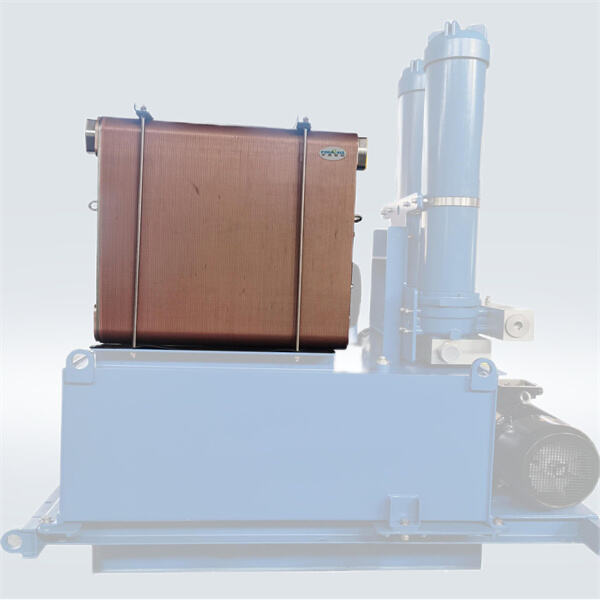
Nanofluids are another creative concept. What Is Nanofluid: Definition(Note- A type of fluid that consist with nano-sized particles. The liquid contains special nanoparticles that allow it to transfer heat away at a much higher rate than ordinary liquids. That is why nanofluids are ideal for applications in which fast and power-efficient cooling is required.
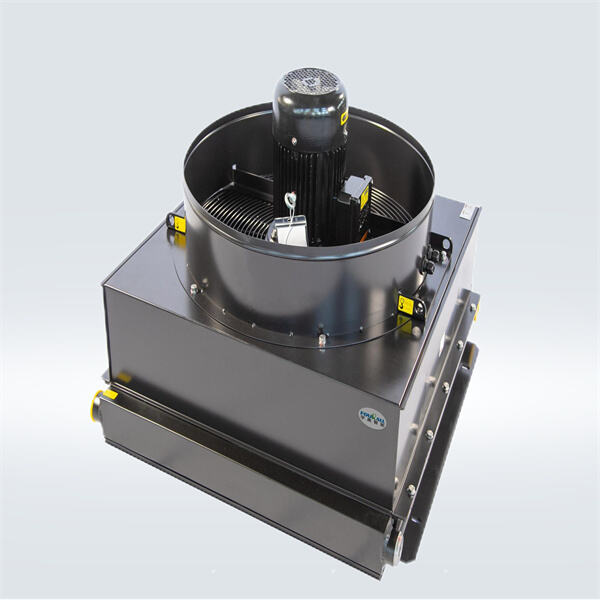
If you look around, there have been several ground-breaking innovations in cooling technologies and materials to assist with the heat dissipation issues that electronics pose. Instead, it uses phase-change coolers that physically absorb heat and evaporate (a liquid changing into a gas). This change of personality means its able to chill faster and for longer.
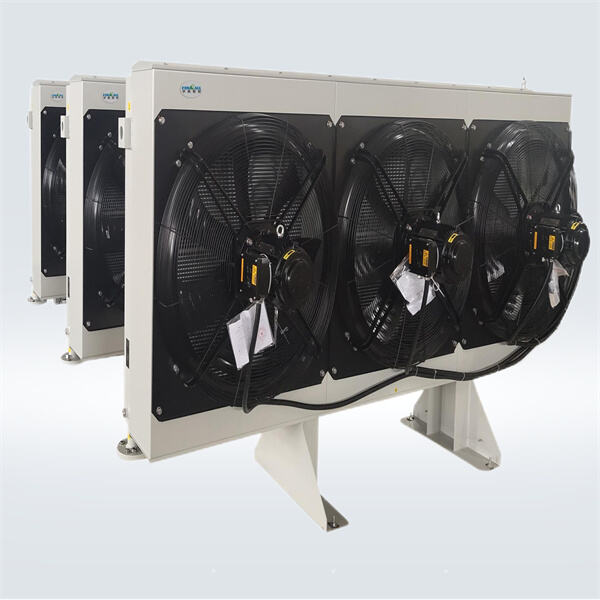
Liquid cooling is another technique which has been in demand. Liquid cooling: a process which uses an unusual liquid to remove heat from the elements of electronic devices. As it turns out, this approach is increasingly popular because for many of today's devices; that process can be more efficient than with fans blowing air all the way.
 EN
EN
 AR
AR
 FR
FR
 DE
DE
 HI
HI
 IT
IT
 JA
JA
 KO
KO
 PT
PT
 RU
RU
 ES
ES
 TR
TR