Some time in the past, "liquid-cooled power electronics" emerged — a technology that changed our way of using electricity. It is a pretty interesting concept that helps electronics to run better and last longer. So in this article, we will have a look at the liquid-cooled power electronics and understand how they work why they are important for us & what is that good from old air cooled system which was being used by these companies earlier.
LCPE is short for liquid-cooled power electronics, and it just means using a fluid (often water) of some sort to stop processing units eating themselves when they get hot. The fluid then travels through tiny channels within the electronics. It removes the heat produced as the devices work, it gets pumped out to radiator part. Then the hot liquid dumps its heat into the air, cools off, and returns to repeat. That's a big change from typical air-cooled systems, which frequently just depend on fans to push the warm upward and out.
Cooling solutions help reduce this issue. In cold air-cooled electronics, traditional heat-producing systems use fans to blow away the hot inside device. Nevertheless, this troublemaker cannot be used for hot running applications such as high-performance electronics. Liquids are better at taking heat in general, therefore the removal of water is much more expensive than air. The upshot is that liquid cooling allows the electronics to maintain a proper temperature and continue functioning at their best (not to mention, for longer).
Liquid cooling is not a novel concept, as it has been implemented in large machines and industrial equipment for decades. Liquid cooling for personal and commercial electronics, however, has gained usage in recent years since it now often provides a more flexible and cheaper alternative. The reason why it beats air cooling is that liquids are much better at carrying away heat than gases ( such as the liquid we used for water-cooling ). Liquids are also good at uniformly spreading heat across the device, and thus it is very effective in keeping everything nice and cold.
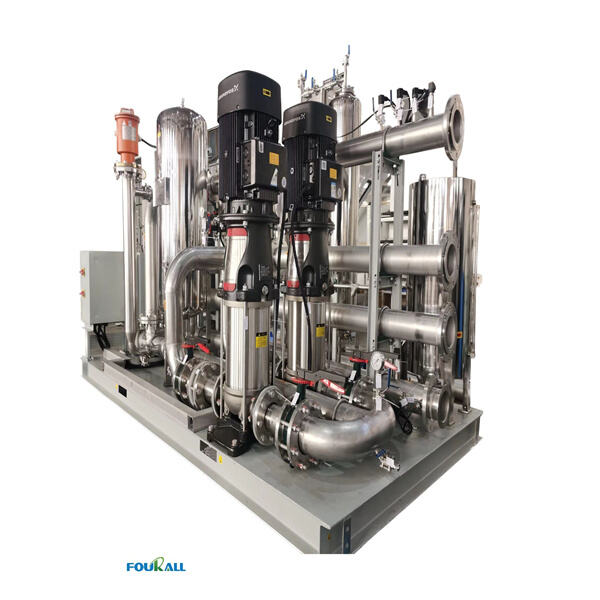
One of the other things liquid cooling is good for, though, too — and this may just be me — is that it can be adapted to suit individual devices. An electric car, for instance can draw more cooling when it accelerates or goes uphill. Liquid cooling is not a universal solution That is to say Liquid Cooling Canwell ==best-cooled and hence it can be tailored so as to get more out of each possibilities
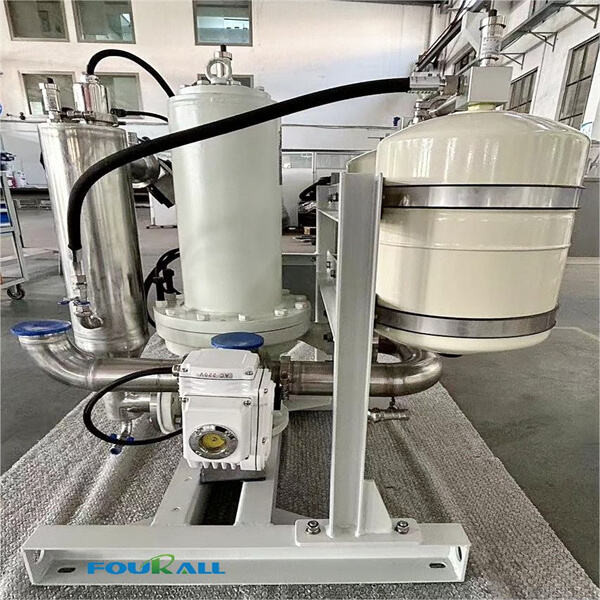
For example, liquid-cooled power electronics have the great advantage that they can remove heat from devices and at the same time operate them better than before. The objective of liquid cooling is to keep electronics cool, avoiding overheating — which can decrease energy consumption and extend the life of parts. It also improves efficiency by allowing electronics to run faster, and everything works better without all the heat causing problems like data errors or slow processing speeds.
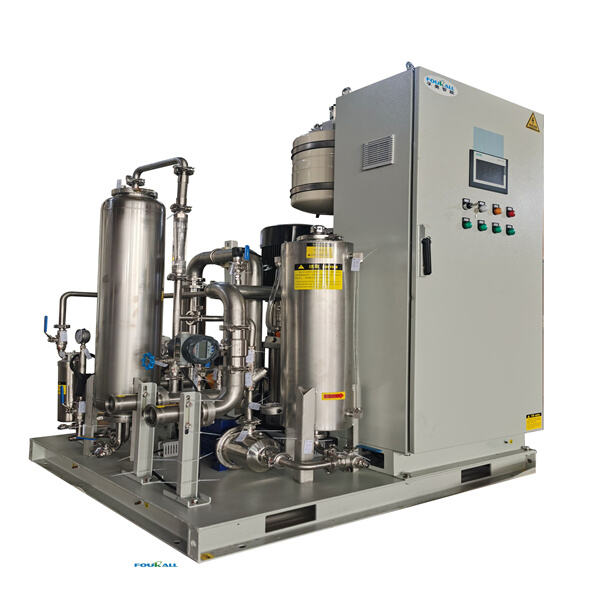
Also, liquid cooling can reduce the overall size and weight of such appliances. So, for a gaming computer they might need bigger fans or open up heatsinks to cool down the inside of it and this can take place quite many space. Cooling Done Right: Liquid cooling means slimmer, quieter devicesEven better than that is the fact that going with liquid provides smaller pumps and radiators to replace those bulkier parts. This is particularly crucial for those who desire a robust device without all that bigger footprint and louder running.
 EN
EN
 AR
AR
 FR
FR
 DE
DE
 HI
HI
 IT
IT
 JA
JA
 KO
KO
 PT
PT
 RU
RU
 ES
ES
 TR
TR