The transport of oil in an oil pipe – a long and thin reservoir. Oil is a fuel we use to heat energy —plain and simple. It makes a lot of things work that we use every day, like cars and trucks or machines to help us do our job. Out of this portion oil pipes are likewise needed as they work because necessity for routing the element from one spot exactly where it is hidden under the dirt to different site wherever nergy generation comes about.
There is a lot of oil in an oil pipe. The pipe itself has a slight downward slope to ensure that the oil can flow through at an incredible speed. This minor tilt helps the oil moving by gravity, just like water moves down a hill. So in other words, the main reason for that are pump-stations kept at some distance from each other along a pipe-line able to retain oil flow rate in pipes and prevent them gumming up. These pumps had forced the oil co flow along the pipe, which made it fast and effortless.
Oil pipes have huge application in energy production. The RustBucket » Built Gravitars Added some oil pumps, it would be impossible to even draw the source by whence she…brew.io Oil Pipes, you guessed correct these are the pipes which connects Oil Wells to refineries. A refinery is a facility that processes raw crude oil to become ready for final use. Oil moves to the factory via pipelines once it is refined. These factories refine these oil into gasoline, diesel etc. These fuels are used to start the engines that produce electricity, as well as power vehicles and ships which transport humans and goods long distances.
One aspect of the journey that the oil pipe goes through from an oil well. But many more — maybe most — are in out-of-the-way locations where countries have spent millions of dollars to bring up drilling machines, those holes that go far underground for tapping into petroleum reserves beneath. But since oils are in the core of earth, a powerful device that must burrow down below ground (called as drill) is employed during drilling and makes a hole so to take oil out. Once the drill hits oil, pumps draw this black gold to the surface through the tube. The oil is later shipped in pipelines to a refinery, where it's processed—and transformed into gasoline and diesel fuel (among other things). Pipelines subsequently carry the oil from a refinery to refineries and different destinations that burn it off as fuel.
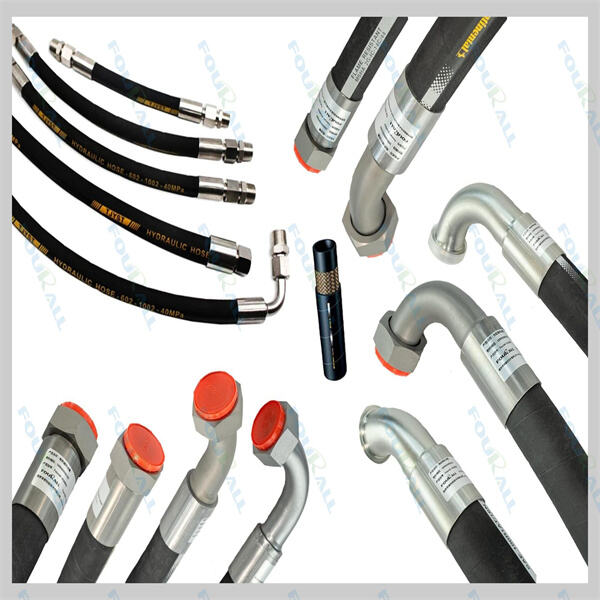
This is an important action to take in our modern world, because there are so many issues that can arise due to oil pipeline manage. For instance, the temperature may plummet so that leaking or cracking of those systems can break pipes/Subthreshold In addition, people who would want to steal the oil and that is a risk as well. Continuity of dirt or iron rust definitely blocks the pipes if not cleaned well usually. Organizations use special implements which slide inside the pipelines and run routinely to check for any leakage, aging, or usual damage factors in order to keep maintaining it well enough. A special team of specialists — maintenance workers, check the condition of these pipes regularly and update them if they stop working properly.
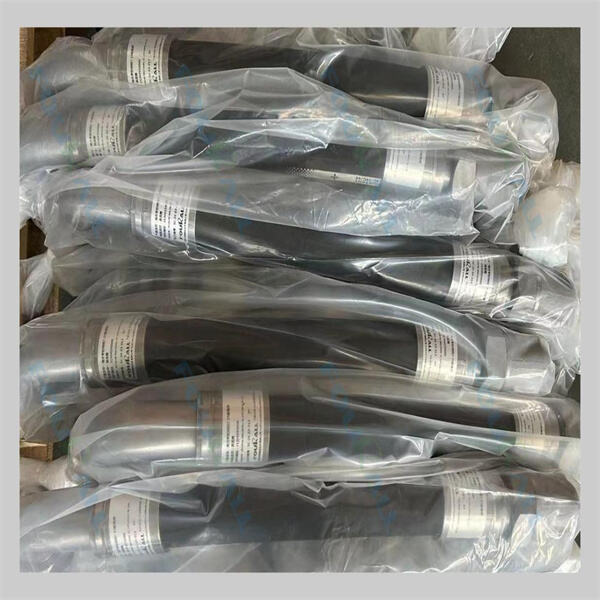
Most energy companies are now becoming innovation driven and care about environmental friendly sustainable operation; also make sure to review those list as well. As the world changes and more people are receiving a good education on how our energy can effect change, (a little bit of negative but any who) your energy is changing many lives! Naturally, researchers and engineers are working overtime as well to develop new technologies with which this energy can be generated in the most sustainable — and efficient — ways. For example, instead of burning oil or coal to produce electricity many companies now use renewable energy — solar and wind power. This shift puts fewer pollutants out into the world — all good for our earth. Improvement in design and maintenance of oil pipelines resistant to dispersants again lower risks associated with leaks on both land or water (the leaks are also harmful for sea creatures).
 EN
EN
 AR
AR
 FR
FR
 DE
DE
 HI
HI
 IT
IT
 JA
JA
 KO
KO
 PT
PT
 RU
RU
 ES
ES
 TR
TR