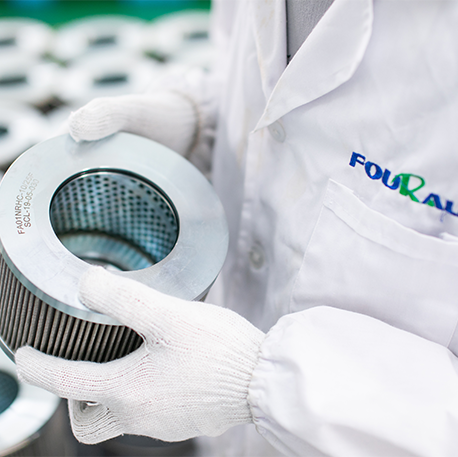
Filters are really important tools because they keep dirt and stuff out of the air and water we consume. Can you imagine drinking muddy water or breathe dust-filled air? Ensuring proper filter operation requires choosing a suitable filter material. The kind of material we choose will decide what kinds of soil and debris it will catch. In this guide, we will discover the different types of filter materials and what makes them better or worse and what key elements we need to consider to determine the best filter material for your needs.
The choice of the right media or material for a filter is critical for several reasons. Selecting the wrong material could allow dirt and harmful particles to sneak through, leading to difficulties with both our health and the equipment we use. Choosing the proper material will assist in a more efficient pathogen catchment and ensure clean air and water quality. In addition, a good filter will last longer and require less frequent repairs. This can help us save money because we won’t need to spend as much on repairing things that break.
Stainless Steel – A very resilient material commonly used for both air and liquid filters in large machinery. One of the benefits of stainless steel is that it doesn’t rust, and it can trap small bits of dirt that could be problematic if allowed to pass through.
Activated Carbon — A special material used in air filters and water filters. Activated carbon is effective in absorbing odour, an unpleasant taste or harmful chemicals leading to a cleaner and safe air and water.
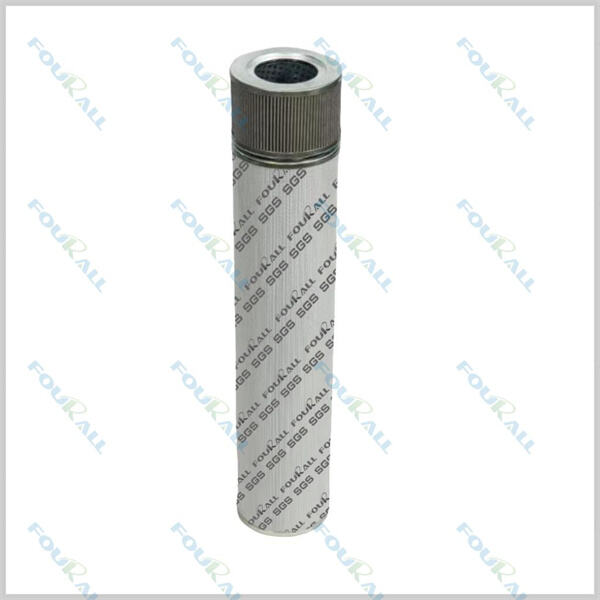
Silicon Carbide — A high-tech ceramic that is extremely strong and tough. Which allows fine dirt particles to be captured and it is usually used in industrial applications with high performance.
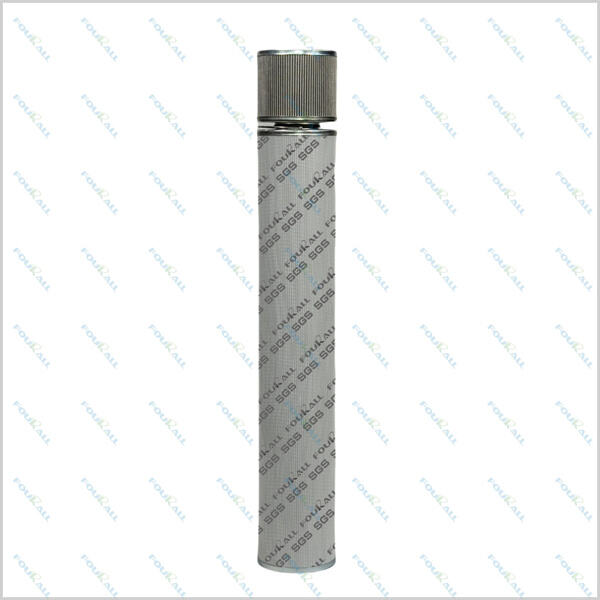
Pressure – Finally, material needs to be strong enough to withstand the pressure of the system without breaking down or collapsing, a core requirement to maintain the filter’s function.
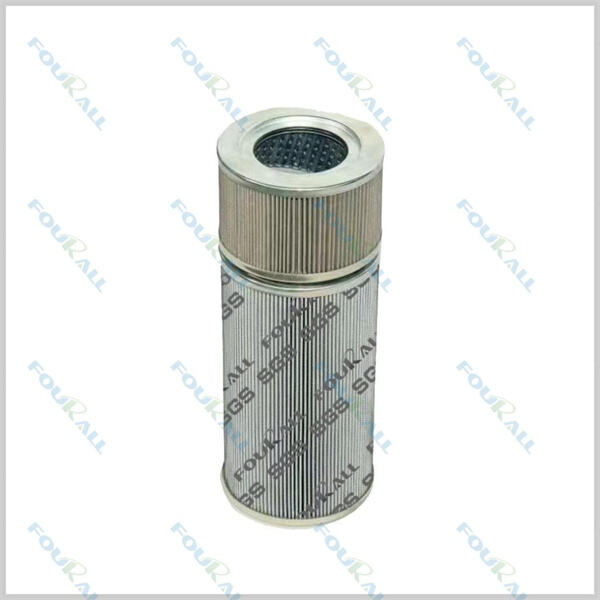
Each filter material has its pros and cons. The fiberglass is great at removing the large particles of dirt but may not do as good of a job at trapping the small dirt particles. Activated carbon is amazing at eliminating odors and dangerous chemicals, but it might not capture every single kind of contaminant. We need to know the merits and demerits of each material to select the right one for our filtering purpose.
Fourall company has defined filter element material of products: lubrication, water cooling and hydraulic products for wind power applications Water cooling system designed for large power and industrial applications. Wind power products are divided into five series that have over 40 specifications. These include the wind power lubrication Series WD, water-cooled OS Series, FA/HC Filter element series and patented products like the pressure follow-up temperature controller FA/D series. We strictly follow the standardized management system SO9001/14001/18001, as well as the standards and procedures that enable us to implement a complete information management, as well as an after-sales vertical service systems across the entire chain from RD marketing, RD, manufacturing, supply chain to quality management. We can swiftly respond to customer demands and offer fast and efficient service. The company is headquartered in Nanjing, Tianjin and Chengdu equipped with the latest sales, technology, and service teams, to give customers prompt and expert products and assistance.
We have successfully provided lubrication systems that have an overall capacity of the 6, 000 MW mark, with more than 3, 000 sets of water cooling systems, and have provided services to more than 1, 000 wind farms, and more than filter element material, and wind turbine producers. Have established win-win cooperation relationship with several renowned domestic main component manufacturers, including CSSC, NGC, DHHI, etc. Just successfully delivered water cooling systems to Dongfang Electric Wind Power Group's 10MW offshore wind project in Danzhou, Hainan. In March 2024, if the project is approved and delivered in the month of April, 60 systems will be in place by July. This accomplishment was made possible by our innovative and patent-pending wind tunnel lab for heat dissipation. This achievement highlights Fourall's leading position in the field of offshore water cooling and innovation. We are committed to constant improvement and commitment to providing top-quality products and services, supporting the global development of renewable energy.
Fourall is a group dedicated to the research, development, and manufacture of filter element material to power electronic systems that are large in scale. Our product range includes oil-cooling and air-cooling systems, filters, mechanical pumps, gear pumps pipelines for oil, pressure-following TCV filters, off-line bypass, etc.With a highly experienced RD team that has vast industrial fluid applications backgrounds and more than a decade of experience with wind power fluids product applications, Fourall is capable of efficiently identifying and delivering technological solutions. Built on the cutting-edge testing equipment and quality assurance systems, the latest processing technologies along with rigorous process management and quality control methods, Fourall can ensuring the provision of high-quality, high-performance, and highly robust customized products for international customers.
Fourall team is focused on fluid technology and the products which are extensively used in filter element material, photovoltaic power generation, power transmission transformation stations, metallurgy building materials, and petrochemical industries. We design and create custom cooling, lubrication, cylinder, and component systems for large-scale machines. We offer expert technical assistance and services to various industries, with high standards of workmanship and quality management.Our technology has been successfully used in the Photovoltaic power cooling system; solar thermal power hydraulic system; Substation SVC converter cooling system A cooling system to cool the SVG converters in substations. Lubricating oil stations and cooling systems for the metallurgical and petrochemical industries; Building Material Industry Lubrication system and hydraulic system with cooling system.
 EN
EN
 AR
AR
 FR
FR
 DE
DE
 HI
HI
 IT
IT
 JA
JA
 KO
KO
 PT
PT
 RU
RU
 ES
ES
 TR
TR