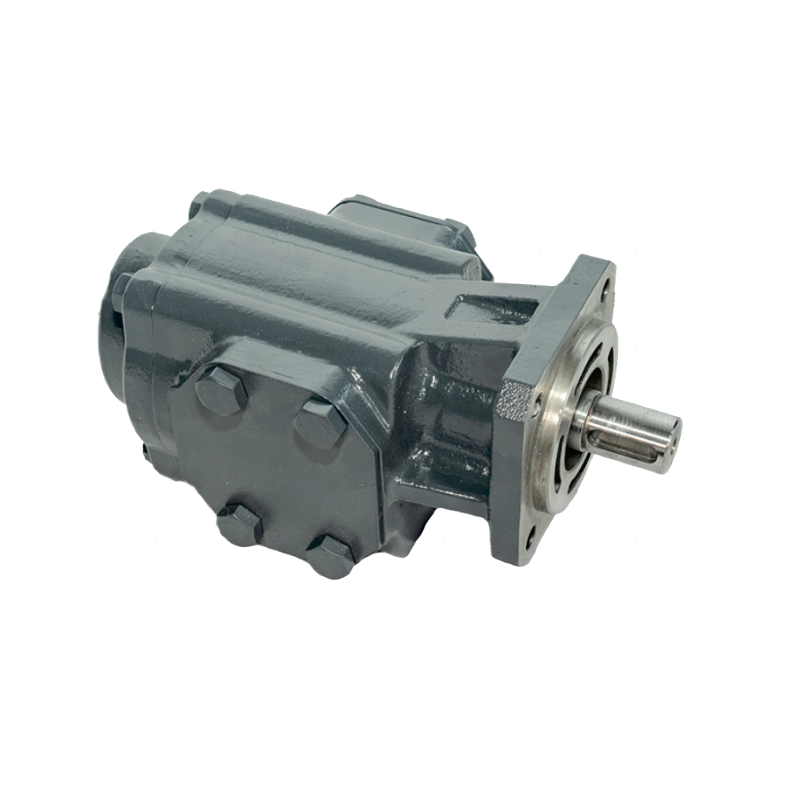
Ever wondered how liquids such as water, oil and fuel are transported from one place to another? It’s pretty interesting! There are multiple ways to do this, but a gear pump is one of the most typical applications. The gear pump is a type of machine used for the purpose of transferring liquids. It consists of two gears that mesh and rotate in opposite directions. This liquid gets sandwiched between the gears and is almost forced out of it through a pump. This motion aid in pumping the fluid from 1 place to another, so they are used at various locations.
The simplicity and understandability of a gear pump is one of the good things about it. They are also very low maintenance, as they have few parts. This basic construction makes them simple enough for even non-experts to know their way around and tinker with. Even in case there is a little quantity of air inside them, the gear pumps are able to start pumping liquid. This is known as self-priming, and it makes gear pumps a very robust style of pump.
Nonetheless, despite its myriad advantages one cannot simply ignore the fact that there are some further downsides to using gear pumps as well. A potential con with gear pumps is the level of noise. The gears are able to click together and rotate, giving off some noise that could be a little annoying when everyone is reading in silence. Gear pumps also struggle with providing a very good suction on thicker liquids, such as honey and molasses. If you have something that is sticky or thick and needs to be pushed through a pipe or up an incline, this may not work the best with a gear pump.
Here are some tips that you can use in order to make sure your gear pump works well for a long time: One of the gears may be very dry, and best place to start is making sure those are really well greased. Like greasing the gears, which makes them run smoother with less friction and wear. Just like putting oil on a squeaky door hinge so that the sound stops. The second thing you should do is see if your pump is lined up correctly. When your gears are not lined up right, this can cause unnecessary wear and tear on the gear teeth, which causes these transmission parts to experience premature failure.
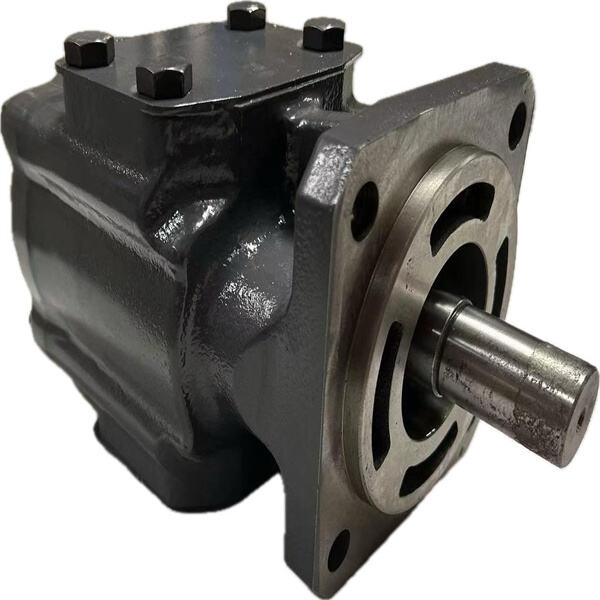
Just the same as any other machinery, gear pumps also require routine examination and service for stable operation. Seals and GasketsRegular Inspection of Seals & Gasket is one thing which needs to be taken care of. Im quite sure they are crucial parts because broken or worn out, and you get leaks Leaks are not only inefficient, as the leak itself disrupts pressure and flow from a pump that wants to close out its circuit of hydraulic liquid but also wasteful, leaking valuable fluid which should be being used in place. Another tip is to wash your pump often. This method enables debris to get into the gears which will wear them down faster, with a useless pump as an alternative outcome.
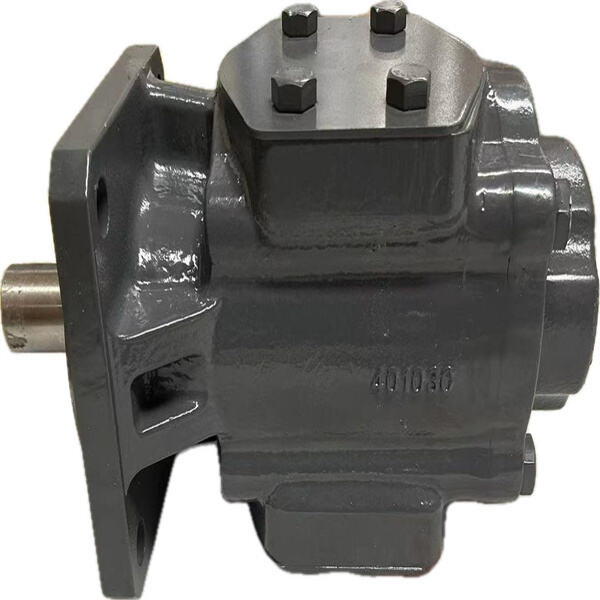
So, here are a few things that you could check when something seems not right with your gear pump. Check the pump inlet filter; if clogged. A clogged filter can prevent the liquid from flowing properly. Second, ensure that the pump contains enough liquid. Should the pump become too short of fluid it jams up and can cause gear injury leading to future issues.
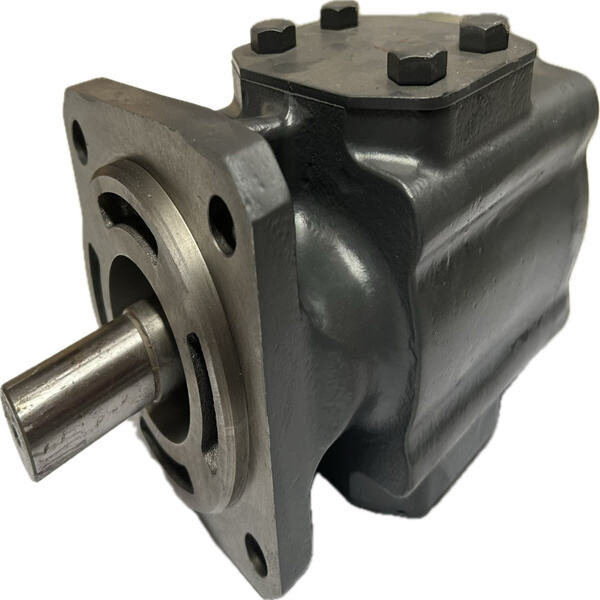
When selecting a gear pump, there are several aspects to consider. The very first thing for you to do is keep in mind the nature of liquid that will be pumped through those hoses. You can also pump easy flowing liquids with a gear-type pump – solvents, water. On the other hand, there may be some liquids that are heavy and sticky like molasses which requires an entirely different type of pump to perform its function accurately. Furthermore, calculate how quickly and at what quantity the liquid should be pumped. Since different gear pumps are designed to accommodate flow rates and pressures, they must be selected in relation to your particular application.
 EN
EN
 AR
AR
 FR
FR
 DE
DE
 HI
HI
 IT
IT
 JA
JA
 KO
KO
 PT
PT
 RU
RU
 ES
ES
 TR
TR