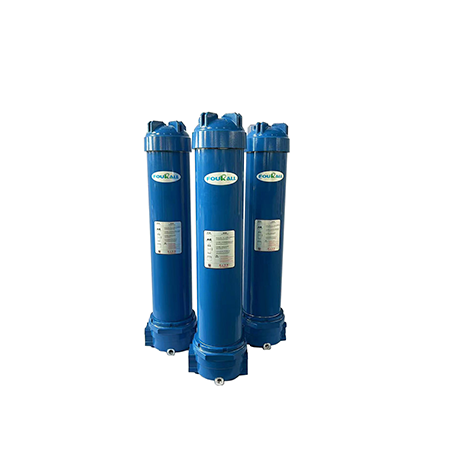
Industrial Filters are some most Resourceful Digs for Various Factoringanges In this application, filters are among the most fundamental because they help improve and clean liquids or gases through which products are made. This is done through the means of trapping non-essential dirt, dust and micro particles in the filter to ensure that what comes out as final product is much cleaner. This is the process that allows manufacturers to create products of a quality standard which fulfills consumers' requirements and are safe for people (since it checks what chemicals will be expelled into consumer goods) — so you can trust that your home appliances, toys or clothes have been thoroughly tested before getting on shelves.
There are a large number of factories and by making use of filter in hydraulic systems many benefits can be added to its factory system, one such major benefit is it provides an increase in the quality of product produced. Factories produce products that have a consistent high-quality level by taking out dirt and impurities from the manufacturing process. And happier customers mean success for your business. When the product is to their satisfaction, customers are more likely to repurchase and refer a few others in buying even more products so that they can manufacture further.
And, using filters can also minimize the waste that gets created whilst manufacturing. For most companies this means saving money on the cost for their waste disposal, so that fewer materials are also just dumped. In addition, filters have the added bonus of prolonging the life of manufacturing equipment. Less contamination and wear and tear: Filters help to prevent a lot of the dirt, grime that builds up on your machinery from getting in contact with the moving parts, leading it run smoothly longer. It saves costs on repairs, and also generates more efficient production.
This makes them a required component for many companies when it comes to keeping a healthy, clean and safe working environment. Poor cleaning and maintenance of dirt and impurities can make accidents more likely, putting workers' health at risk, while also damaging machinery worth thousand others. Filters can work to remove these hazardous particles, as well toxic chemicals in the air and water offering a healthier workplace for all. A hygienic area is essential not for the good health of their operators but it also aids in increasing efficiency output from production floor.
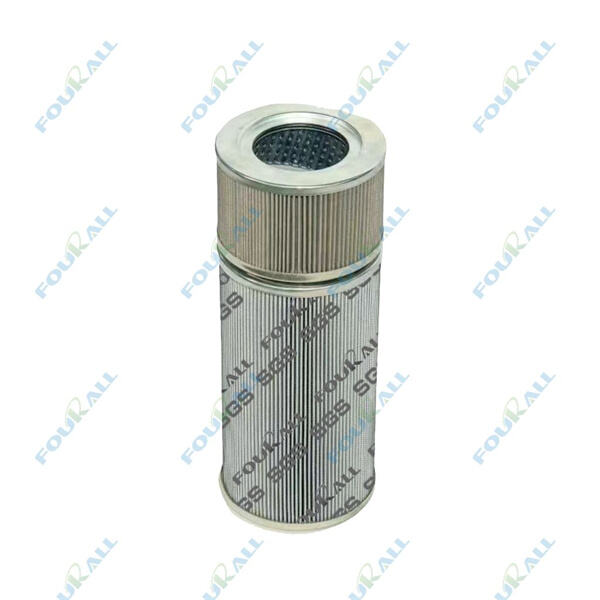
Finally, filters help companies meet environmental requirements. Most governments have strict guidelines to follow when it comes to pollution control, and these filters can help companies from failing their C02 footprint by lowering the amount of deadly waste that is emitted during production. With industrial grade filters, companies can also indicate their respect for the environment — an aspect that customers are now considering as a prime influence on making purchase decisions.
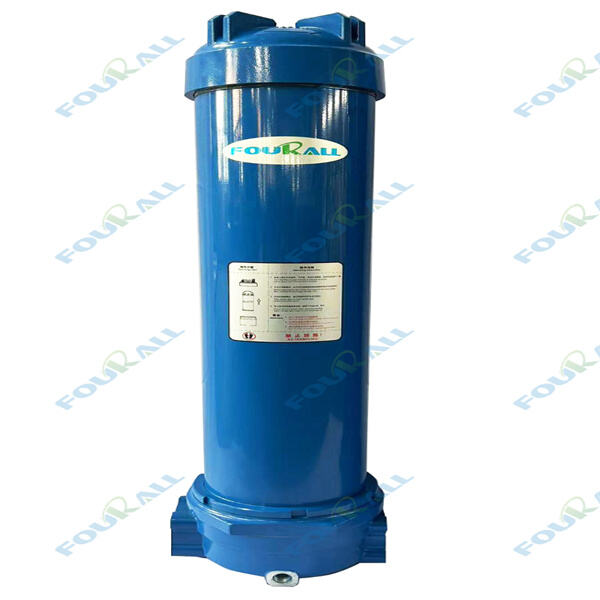
While used in many applications, cooling systems perform the critical function of enhancing environmental sustainability. These filters can significantly decrease pollution because they are able to effectively eliminate impurities both in the air and water. This decrease in pollution has the added benefit of not just on air and water quality but also ecosystem health more broadly. Reduced air and water pollution is particularly important in support of life for wild species, reducing harm to nature due to having a less ulterior motive surrounding environmental health.
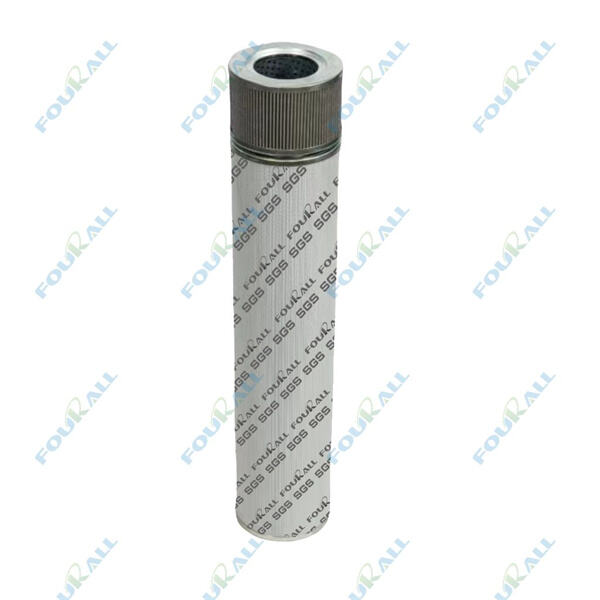
Filters can also help businesses save resources in addition to the obvious benefits of reducing pollution. If less waste is made in manufacturing, factories can go about their business more efficiently. All of this results in a more sustainable (as well as finally roundly profitable) model for business, which is absolutely vital today. Those companies making sustainability a focal point often receive more favorable views from consumers, which can boost their image and sales.
 EN
EN
 AR
AR
 FR
FR
 DE
DE
 HI
HI
 IT
IT
 JA
JA
 KO
KO
 PT
PT
 RU
RU
 ES
ES
 TR
TR