Have you ever wondered how we purify dirty water or filter out small particles from juice or milk? This essential forms of cleansing is termed and its well-known wherever liquids tend to be processed like factories along with kitchens. Discover more on how it functions and what the liquid filter methods are.
Liquid filtration, as the name suggests is a method or procedure by which dirt and other impurities can be separated from water i.e., juice, milk even oil. So there are various ways you can filter liquids and each method is unique in its way of working. Here are some common methods:
Liquid filtration which involves the process of passing a liquid through a filter that can collect dirt and other particles is used. Filters are mostly composed of paper, cloth or sand…depending on its type they can have active carbon. Different filters operate in different ways and the size of holes in filter provides us with what type of dirt it can catch or which particles.
For gravity filtration, you just pour the liquid to be filtered through your filter and then gravity does its work pulling that water down through all those holes. A vacuum pump is used which helps in providing suction, the liquid then gets pulled through the filter on its way making it faster. Pressure filtration exerts a lot of force to move the liquid across the filter, producing quick results. The device uses centrifugal force so that the liquid is spun around very rapidly allowing you to separate grime and fresh water in no time.
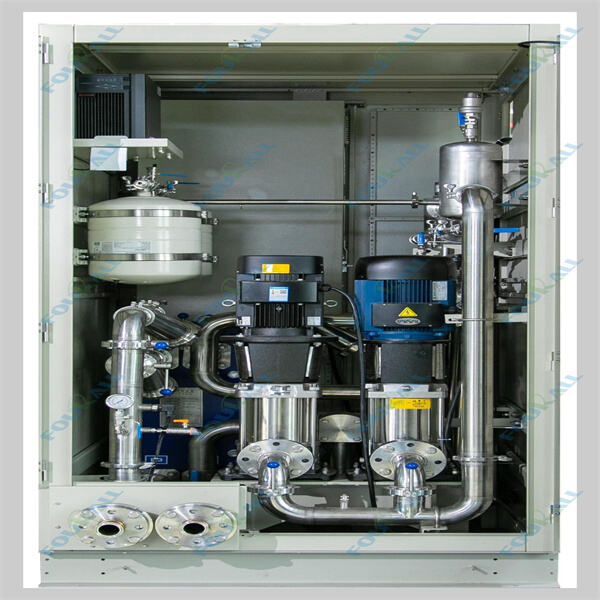
Food and Beverages Production: Liquid filters are employed in this domain to purify drinkables such as Juice, Milk or even beer. That way we know the beverages that we are drinking is not only safe but delicious as well.
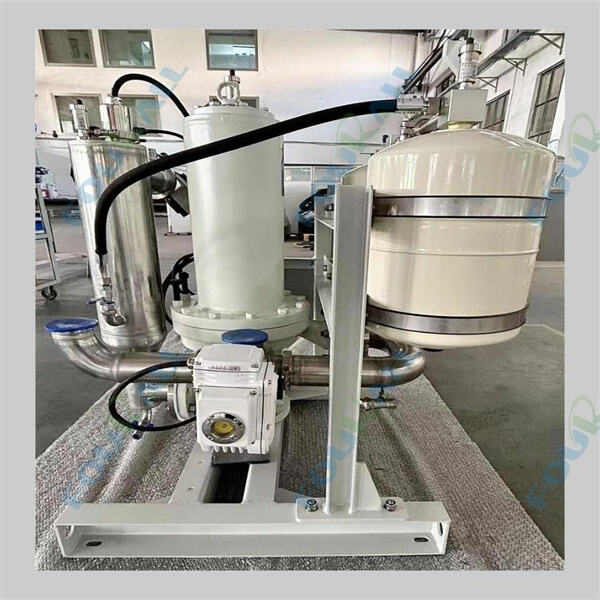
There are pros and cons to each medium of computer liquid cooling system. A gravity filtration, for instance, we use; it is non-laboratory-required and gives adequate results rapidly but slowly (and successfully) only with grimy liquids.
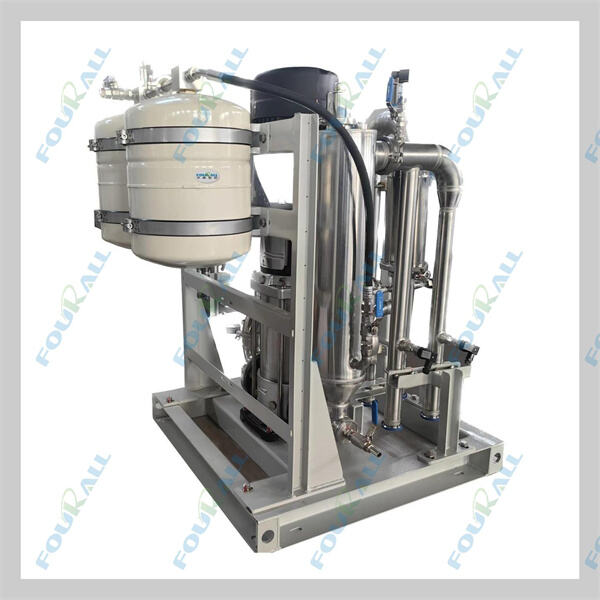
On the other hand, vacuum filtration is faster and can process dirtier liquids but requires a vacuum pump. It is more expensive to set up as a result. This technology, while the fastest filtration method and able to process large amounts of liquid at once, does require specialized equipment that may be harmful if not properly used. Finally, the previous method centrifugal filtration is good for removing small dirt particles and quite a fast process; however its capital cost is high.
 EN
EN
 AR
AR
 FR
FR
 DE
DE
 HI
HI
 IT
IT
 JA
JA
 KO
KO
 PT
PT
 RU
RU
 ES
ES
 TR
TR